Driving without a trailer with a semi-truck is called "bobtailing" in the trucking industry.
While your tractor feels much lighter and easier to switch lanes, any kind of liability risks on the road are just as high as you when you drive with a trailer on. What if you get engaged in an accident? Who will pay for damages? That’s what Bobtail insurance comes in. The guide will break down each and everything the truck drivers and owner-operators need to know about that essential coverage.
What is Bobtail Insurance?
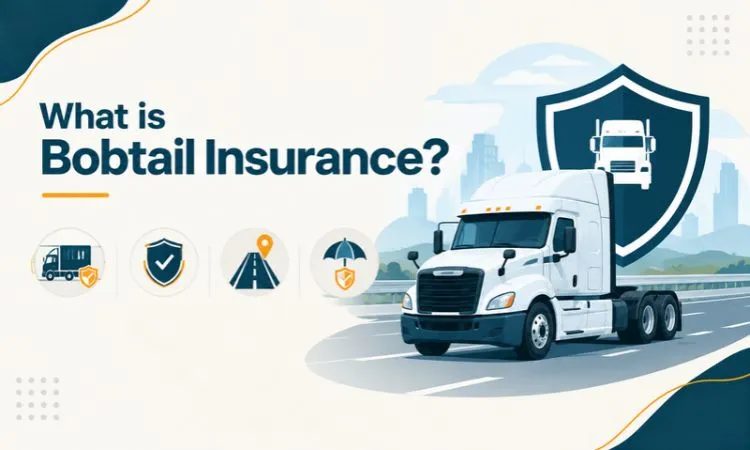
So, what is bobtail insurance? This is a custom type of liability coverage that’s designed for the truck drivers that are operating based on a semi-truck when going without the trailer. Specifically, this provides the protection when you drive towards business systems that are not currently under hauling and dispatch for the load of the motor carrier that’s leased to.
How Does Bobtail Insurance Work?
When you get leased for the motor carrier, the primary commercial auto liability insurance will cover what you get based on dispatch, whether you’re driving the empty zone or loaded trailer for the next pickup.
Although the carrier’s policy drops off as you drop that trailer and get off-dispatch. The bobtail insurance for truck drivers that can step in for filling the gap, thus covering the liability for in-between times, like driving this towards the truck stop, heading towards the maintenance shops, or driving home for dropping that load, is provided that’s still acting under the carrier business umbrella.
What Does Bobtail Insurance Cover?
The standard Bobtail insurance coverage focuses on the strict third-party liability. If the fault is an accident while you bobtail, this covers it:
- Bodily Injury: Lost wages and medical expenses plus pain and suffering towards third parties that are injured in a crash.
- Property Damage: Replacement or repair costs for other fences, vehicles, or structures that you damage.
- Legal Defense: Court costs or attorney fees that get sued when following the accident.
What Does Bobtail Insurance Not Cover?
It’s important for understanding the limits of policy. The bobtail insurance that does not cover:
- Physical Damage for Your Truck: The need for the separate Physical Damage Policy for repairing your own cab.
- Cargo: Since you don’t have that trailer attached, cargo is not a factor, but the bobtail will not cover the freight.
- Personal Use: Running the personal errands (for going to the grocery store or taking that weekend road trip) that’s excluded.
Bobtail Insurance vs. Non-Trucking Liability Insurance
This debate of the bobtail vs. non-trucking liability that confuses new drivers. While these should be similar, these will cover different scenarios:
When Do You Need Bobtail Insurance?
You need the coverage anytime that’s driving the truck for business-related reasons that’s not active dispatch for your career. Some of the common scenarios for driving to the weigh station, thus heading towards a repair shop, or returning towards the home terminal when delivering the load.
Who Needs Bobtail Insurance?
The owner operator bobtail insurance is generally required for lease-based operators. If you have trucks but you’re leasing your services and operate through a motor carrier’s authority, you need this insurance. Independent operators or owners who have their own operations authority do not need bobtail insurance, as their main commercial liability insurance policy can cover it all the time.
How Much Does Bobtail Insurance Cost?
Most of the drivers ask, “How much is bobtail insurance?" When compared to primary commercial auto policies, this is extremely affordable. The basic bobtail insurance cost will range from $400 to $800 every year (translates to $35 to $70 every month).
The average bobtail insurance costs breakdown
What Factors Affect Bobtail Insurance?
Insurers need to calculate premiums on multiple factors:
- Driving Record: A basic MVR (Motor Vehicle Record) that lowers your rate.
- Experience: Years under CDL plus time in business.
- Location: States that have higher litigation rates or the traffic density will cost more.
- Coverage Limits: Higher limits do mean higher premiums.
- Truck Type: Make, age, and model of the tractor.
How to Choose the Right Bobtail Insurance Policy
When you shop for a policy, do look for the bobtail insurance requirements for the specific motor carrier. In general most careers need a basic of $1,000,000 for liability limits. Ensure that the policy explicitly states that it can cover when operating under that carrier authority for but-off dispatch. Do compare the quotes from around different trucking insurers.
Common Bobtail Insurance Mistakes to Avoid
- Assuming the Carrier Covers You: Do not assume the motor carrier’s primary liability covers you when you’re under dispatch. This almost never does.
- Confusing Bobtail With NTL: Buying the non-trucking liability that will leave you unprotected if the accident while driving the truck stops.
- Buying State Minimums: State minimums that are too far from the semi-truck accident. Do opt for around $1 million for that coverage.
Frequently Asked Questions
Is bobtail insurance the same as non-trucking liability insurance?
No, non-trucking liability insurance covers personal use (such as running errands on your day off), while bobtail insurance covers business use when the vehicle is not under dispatch.
Is bobtail insurance required by law?
That’s not mandated under state or federal law, but such coverage can always be required for the motor carrier that’s leased for a basic condition towards the lease agreement.
Does bobtail insurance cover personal use?
No, the personal use actually requires NTL (Non-Trucking Liability) insurance.
Does Bobtail Insurance cover my truck?
No, this only covers the third-party property damage and bodily injury. They need commercial physical damage insurance to cover their own truck.
Does bobtail insurance cover cargo?
No, because you operate without a trailer, cargo is not a factor. Furthermore, Motor Truck Cargo insurance is separate for the policy entirely.
Do owner-operators with their authority need bobtail insurance?
No, if you have the DOT number plus operating authority, the primary commercial auto liability policy that covers for all times, thus making the bobtail insurance unnecessary here.
How much does bobtail insurance cost?
The average bobtail insurance cost is between $400 and $800 on an annual basis, depending on the driving record, chosen limits, and location.
Conclusion
Understanding the basic nuances for commercial trucking insurance is vital towards the protection of livelihood. The bobtail insurance is a small but critical piece for the puzzle towards leased-owner operators, ensuring that you’re never left financially exposed across those “in-between” moments for the workday. For securing the correct bobtail insurance coverage that can drive for peace of mind, knowing that whether you get to haul that heavy load or just head for the fuel pump, your business and you are fully protected.