Owning the residential property that can generate that income that comes from the unique risks. The standard homeowners insurance that’s designed for protecting rental properties towards multi-family buildings. This is where the need for habitational insurance can step in. This guide will explain everything, what that covers, and how to protect real estate investments.
What is Habitational Insurance?
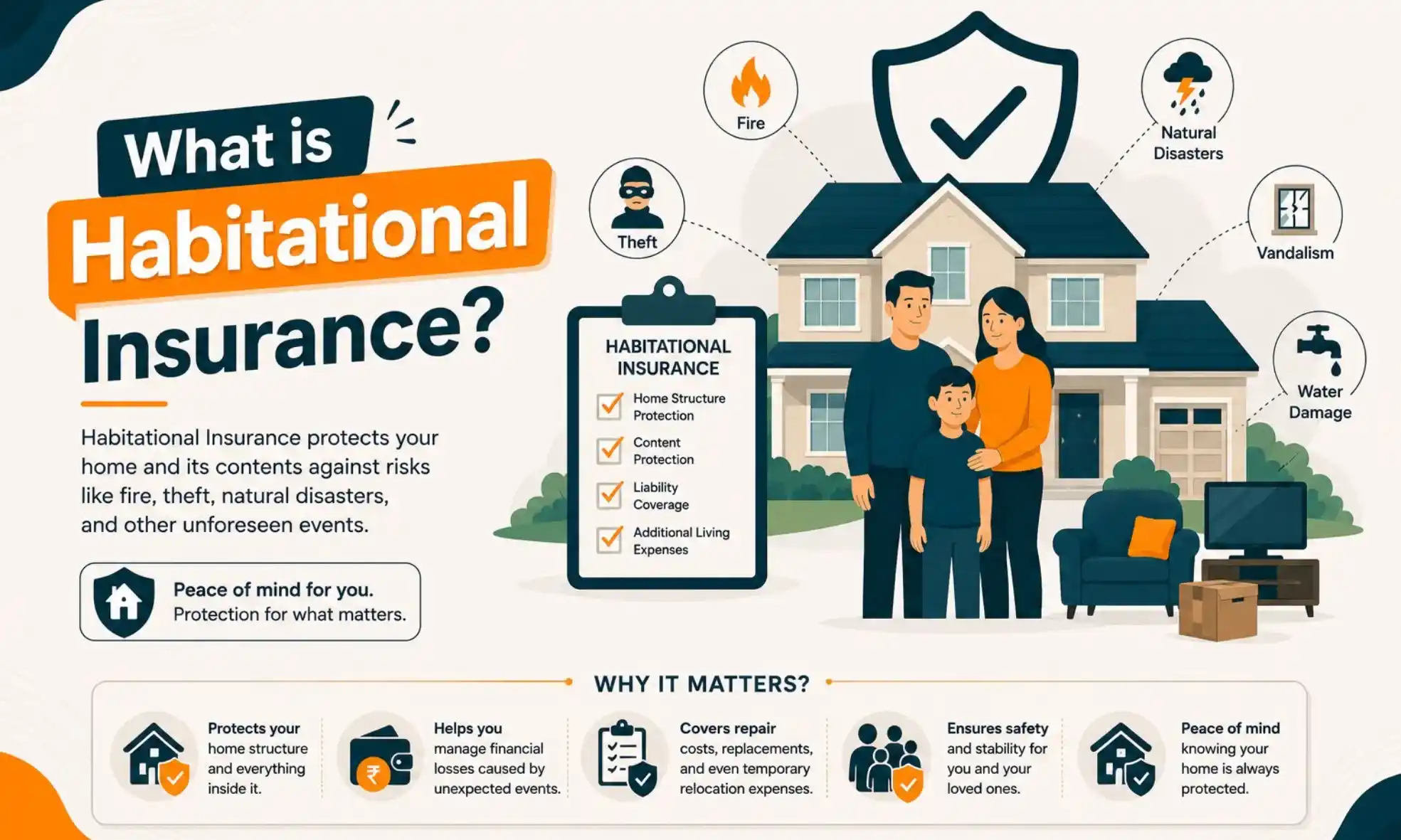
The Habitational Property insurance is a specialized type of commercial insurance that’s designed for the residential properties that are rented to the tenants. Unlike the standard homeowners policy, it can protect the building owners against the risks that are associated with renting, such as tenant injuries, property damage, and the loss of rental income.
Properties That May Need Habitational Insurance
This type of coverage is important towards income-generating of residential properties; this includes:
- Condominium complexes
- Apartment buildings (generally 5+ units)
- Mobile home parks
- Student dormitories and housing
- Senior living and for the assisted living facilities
- Mixed-use buildings with the residential units
Who Typically Needs Habitational Insurance?
- Property owners and real estate agents.
- Property management companies
- Condo Complex HOAs (Home Owners Associations)
- Developers that hold rental properties
What Does Habitational Insurance Cover?
Complete habitational insurance coverage that generally includes:
- Property/building Damage: Protection of physical structure in case of wind, hail, fire, or even vandalism.
- General Liability: Covering medical and legal fees if a visitor or tenantgets injured on the property — closely related to standard general liability insurance that most commercial property owners also carry.
- Loss of Rental Income: Replacing lost rent for the property becomes that uninhabitable for the covered peril.
- Landlord-owners Contents: Covers furniture, appliances, or the equipment that provide common areas for the furnished units.
- Equipment Breakdown: Paying for the repairs towards essential systems for HVAC, elevators, or boilers.
- Ordinance or Law Coverage: Helps towards covering the cost for bringing in the claims that can exceed the primary policy limits.
- Optional Endorsements: Add-ons like cyber liability, sewer backup, or casualty coverage, depending on the insurer.
What Does Habitational Insurance Not Cover?
This is equally important for knowing the exclusions:
- Normal Wear and Tear: Basic normal wear and tear or some gradual deterioration.
- Poor Maintenance: Neglect or poor maintenance by property owner.
- Certain types of water damage: Types of water damage, as in gradual leaks.
- Flood and earthquake damage: Unless these are added specifically under separate policies.
- Intentional Damage: Any type of intentional damage that’s caused by the property owner.
- Environmental/pollution risks: Any type of risks like asbestos or mold, unless that’s endorsed.
- Tenant’s Personal Belongings: Tenants that need their own renters insurance.
- Issues that are related to vacant or unoccupied properties: That certainly requires any vacant property policy.
Types of Habitational Insurance
This depends directly on the use and size of property owners that can utilize or have different types of habitational insurance programs. These generally fall under those commercial habitational insurances that are tailored for multi-family or larger complexes or different types of specialized housing like senior living or students. Rental properties that are smaller (1 to 4 units) can use a basic landlord policy, and the larger complexes need custom commercial packages.
Habitational Insurance vs. Landlord Insurance vs. Homeowners Insurance
- Homeowners Insurance: For those properties where the owner is also living. Covers personal liability plus personal belongings.
- Landlord Insurance: Generally for small rental properties (1 to 4 units). Covers the liability, dwelling, and rental costs.
- Habitational Insurance: Designed for generally commercial, residential, multi-family, or larger properties (5+ units). This offers the higher, broader property coverage, liability limits, and protections that are specific towards managing multiple tenants.
How Much Does Habitational Insurance Cost?
The habitational insurance costs change based on property aspects. As an average, owners need to pay anywhere from $500 to $2,000+ on each unit every year. A basic small apartment building can cost around $3,000 a year, while a large complex can cost tens of thousands under a habitational insurance policy. For a broader look at how commercial coverage is priced, see our business insurance cost breakdown.
Factors That Affect Habitational Insurance Costs
- Location: Local weather risks (for instance, hurricane zones) or crime rates.
- Property Age and Size: Older and larger buildings have higher insurance costs.
- Number of Units: A Higher number of tenants directly means higher liability exposure.
- Construction Type: Materials that are fire-resistant (like brick) for lower premiums.
- Safety Measures: Security cameras, sprinkler systems, and the gated access reduce costs.
Ways to Potentially Reduce Habitational Insurance Costs
- Bundling multiple properties for one policy.
- Installing security systems, sprinklers, and smoke detectors.
- Requiring tenants to carry renters insurance.
- Opting towards the higher deductible for the cash reserves.
- Maintaining the property well for preventing small claims.
Common Mistakes Property Owners Should Avoid
These are some of the common mistakes under the habitational insurance programs:
- Underinsuring the building (insuring the market value instead of these building costs)
- Assuming earthquake and flood damage that’s automatically covered.
- Failing to update the policy under the renovations for adding in new units.
- Not the requirement for having renters insurance.
How to Get Habitational Insurance
- Gathering property details (square footage, age, construction types)
- Compiling the claims history for current lease agreements.
- Contact an insurance broker, an expert in real estate.
- Request and further compare multiple quotes.
- Reviewing the policy terms with all details very carefully before purchasing the policy.
Frequently Asked Questions
Is habitational insurance the same as landlord insurance?
Not generally. While those are similar to landlord insurance that can be under for small rentals (1 to 4 units). The habitational insurance is designed for larger, commercial residential properties or multi-family properties with more and complicated risks.
What types of properties need habitational insurance?
Condominium complexes, apartment buildings, mobile home parks, senior living facilities, and student housing that typically require special coverage for the habitational insurance coverage.
Does habitational insurance cover rental income?
Yes, most of the policies do include “loss of the rental income” or the “business income” for coverage, for it reimburses towards the lost rent towards the covered peril that can make the property uninhabitable.
Does habitational insurance cover vacant properties?
No, the standard policies thus limit coverage and often exclude the properties that can be vacant for the 30 to 60 days. You need to purchase a specific vacant property endorsement or the policy.
How much does habitational insurance cost?
Cost can change, but a basic estimate is around $500 - $2000+ for each unit on an annual basis. The complete habitational insurance cost directly depends on building age, location, and coverage limits.
What factors affect habitational insurance premiums?
Premiums that are affected by the property’s age, location, number of units, construction type, and safety features, along with the owner’s claim history.
Conclusion
Protecting the income-generating real estate that requires more than the standard homeowners policy. The habitational insurance can provide the complete habitational insurance coverage that’s needed towards safeguarding your property, liability, building, and rental income. By knowing and understanding the risks, comparing different options, and having working knowledge for insurance professionals, you can secure the right protection for the properties plus ensure long-term investment success.