Security guards protect property and people. With the security guard Insurance you can protect property, accidents or lawsuits. The major coverage can differ from unarmed and armed guards because of different risk levels. This guide covers the coverage, types plus common exclusions.
Who are Security guards?
Security guards are those trained professionals that’s hired to protect property, people and assets. They can monitor the premises, respond to emergencies, and enforce rules. Depending on the licensing and role, these can be armed or unarmed, which provides the visibility for determining crime and thus ensuring the great environment for business.
Types of Security Guards
- Unarmed Security Guards
- Armed Security Guards
- Corporate Security Guards
- Mobile Patrol Guards
- Loss Prevention Officers
- Residential Security Guards
- Event Security Guards
Who are Armed Security Guards?
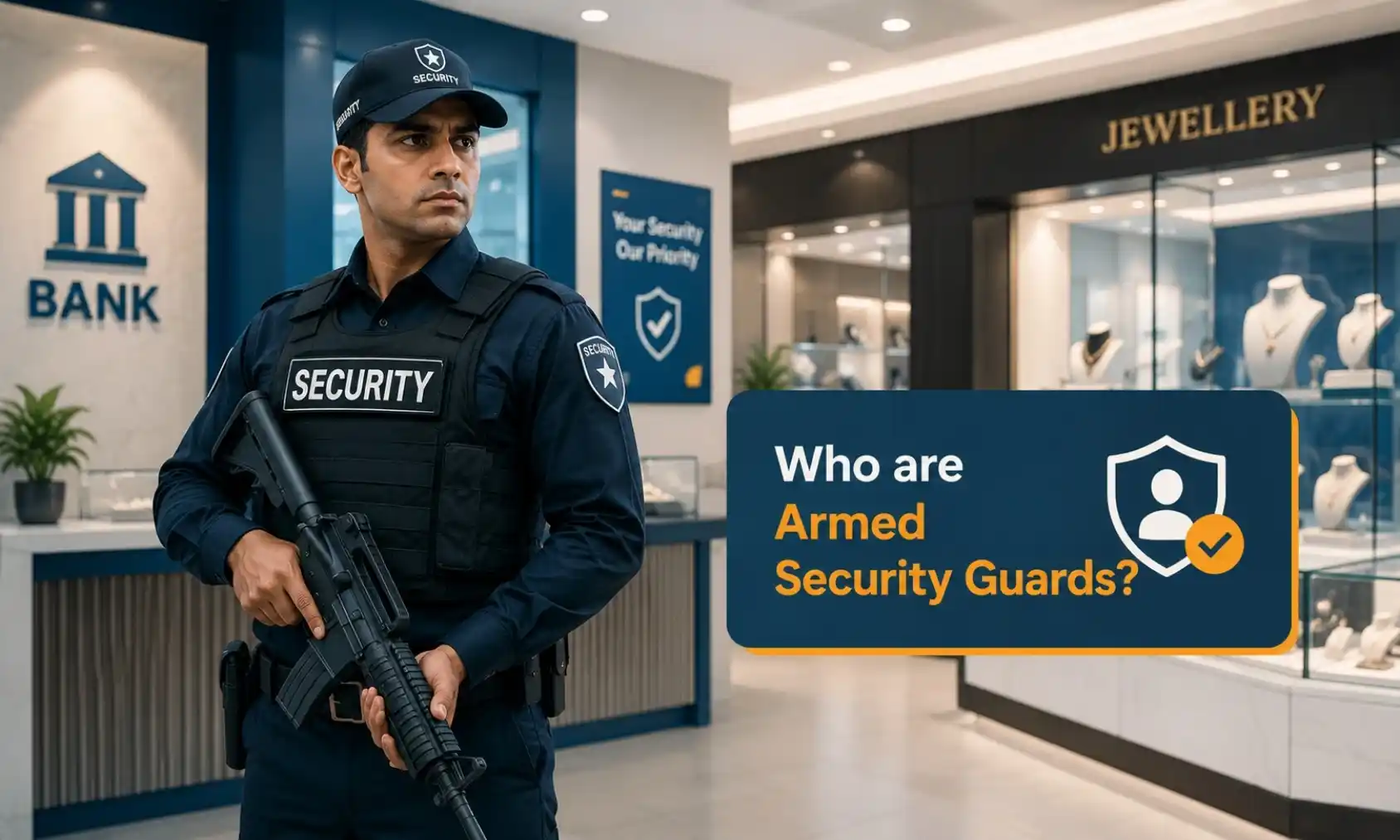
The armed security guards are those licensed professionals that are authorized for carrying firearms. These are employed to protect high-risk environments, high-value assets plus deterring those serious threats along with responding towards dangerous situations through special training. In details:
- Responsibilities & Roles: Protect high-value assets, deter crime or respond towards active threats.
- Industries they work for: Jewelry stores, banks or those high-net worth individuals.
- Training & licensing requirements: Ongoing tactical training, state firearms permits.
- Risk Level: Higher level risk
- When do businesses need Armed Guards: When they face certain credible threats of protection of valuable assets or violence.
What is Included in Armed Security Guard Insurance?
- Bodily Injury Claims
- Third-Party Liability
- Property Damage
- Medical Expenses
- Legal Defense Costs
- Equipment Coverage (if applicable)
- Employee Injury Coverage
Insurance Coverage for Armed Security Guards
Insurance coverage for security guards can differ based on whether they are armed or unarmed due to the varying risks associated with each role. Here's an explanation of how insurance coverage may differ:
Armed Security Guards:
1. Liability Coverage
Armed security guards typically pose higher liability risks compared to unarmed guards due to the potential for the use of force or weapons. As a result, insurance policies for armed guards may include higher coverage limits for General Liability Insurance to protect against claims arising from bodily injury, property damage, or personal injury caused by the use of firearms or other weapons.
2. Firearms Liability Coverage
Insurance policies for armed security guards may include specific provisions for firearms liability coverage. This coverage is designed to protect against claims resulting from the discharge or misuse of firearms, including accidental shootings, wrongful death lawsuits, or allegations of excessive force.
3. Training Requirements
Insurers may require armed security guards to undergo specialized training and certification in firearms use and safety as a condition of coverage. Compliance with training requirements may be a prerequisite for obtaining and maintaining insurance coverage for armed guards.
4. Higher Premiums
Due to the increased risk exposure associated with armed security services, insurance premiums for armed guards are typically higher compared to unarmed guards. Insurers may charge higher premiums to account for the elevated likelihood of claims related to firearms use and the potential for more significant financial losses.
What is NOT Covered? (Common Exclusions for Armed Guards)
- Criminal Activities
- Intentional Acts
- Drug or Alcohol Use
- Excessive Use of Force
- Laws violation
- Expired License of Firearms
- Failure towards Completing that Required Training
- Unauthorized use of weapons
- War & terrorism
What are Unarmed Security Guards?
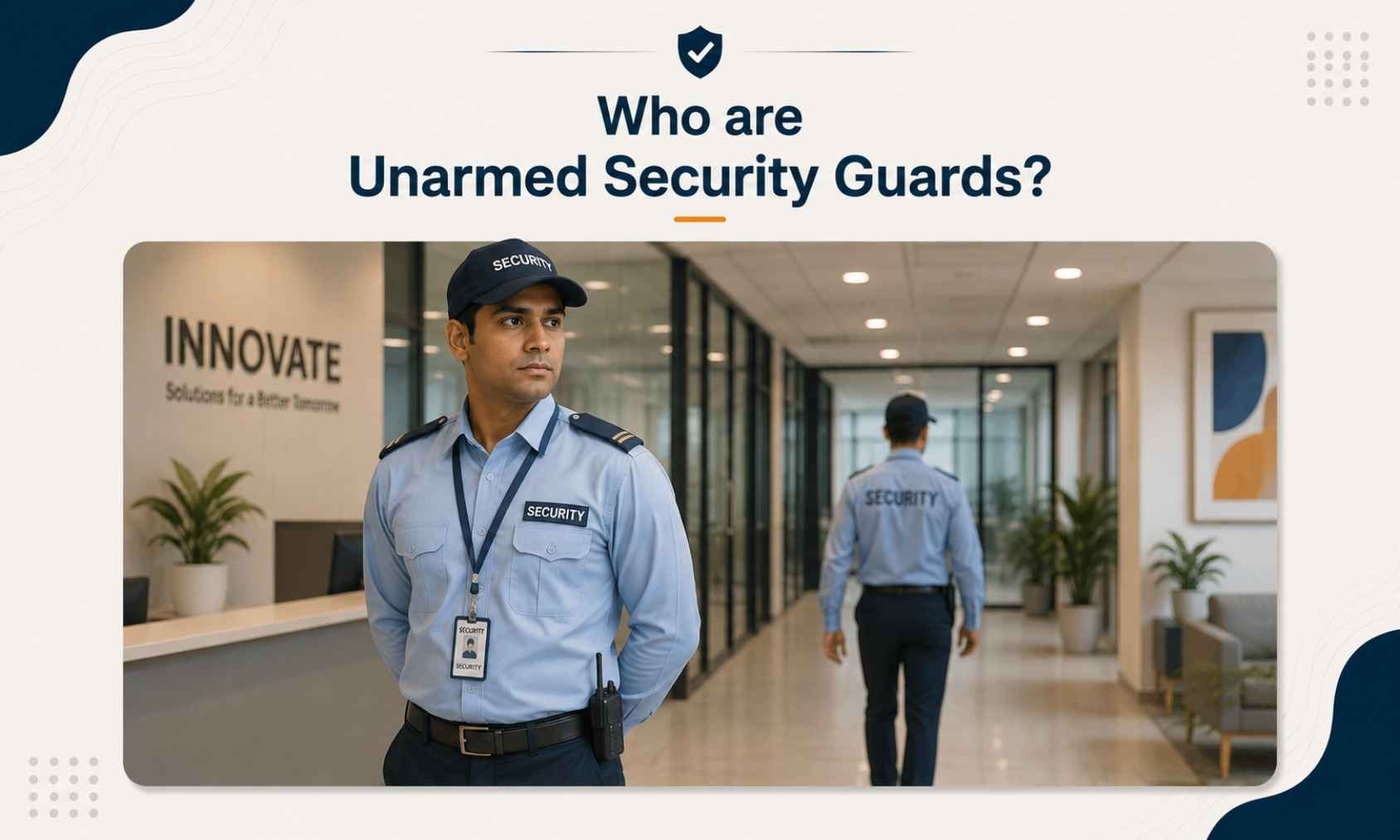
The unarmed security guards are those trained professionals who protect property and people without carrying any firearms. Their main focus is towards basic observation and deterrence plus maintaining a safe environment in everyday settings.
- Roles and Responsibilities: Focus on observations, crime deterrence plus reporting.
- Training Requirements: Requiring de-escalation training and state security licenses.
- Industries They Work In: Great for corporate offices, retail stores and even schools.
- Risk Level: Have lowered insurance costs and liability risks.
- When businesses need Unarmed guards: For access patrols, routine patrols along with visible deterrence.
What is Included in Unarmed Security Guard Insurance?
- Property Damage
- Bodily Injury Claims
- Third-Party Liability
- Legal Expenses
- Employee Injury Coverage
- Vandalism or Theft protection (if applicable)
Insurance Coverage for Unarmed Security Guards
1. General Liability Coverage
Insurance coverage for unarmed security guards typically includes general liability protection against claims arising from bodily injury, property damage, or personal injury resulting from negligence or other covered incidents. However, coverage limits may be lower compared to policies for armed guards due to the lower risk profile associated with unarmed services.
2. Property Protection
Unarmed security guards may be responsible for patrolling and protecting properties against theft, vandalism, or unauthorized access. Insurance policies for unarmed guards may include coverage for property damage or loss resulting from covered incidents occurring while on duty.
3. Training and Certification
While unarmed security guards may not require specialized training in firearms use, insurers may still require them to undergo training and certification in areas such as conflict resolution, emergency response, and customer service. Compliance with training requirements may impact eligibility for insurance coverage and premiums.
4. Lower Premiums
Insurance premiums for unarmed security guards are generally lower compared to armed guards due to the reduced risk exposure associated with unarmed services. Insurers may offer more competitive rates for coverage tailored to the specific needs and risk profile of unarmed security operations.
In summary, insurance coverage for security guards can vary based on whether they are armed or unarmed, with armed guards typically facing higher liability risks and requiring specialized coverage for firearms-related incidents. Regardless of the type of security services provided, it's essential for security firms to work with knowledgeable insurance providers who understand the unique risks and requirements of the industry to ensure adequate protection against potential liabilities.
What is NOT Covered? (Common Exclusions for Unarmed Guards)
- Criminal Conduct
- Intentional Assault
- Fraud
- Employee Theft
- Contractual Liabilities
- Negligence Over Policy Limits
- Unauthorized Security Services
Armed vs Unarmed Security Guards
Common Exclusions for Armed Guards
When considering insurance policies for security businesses whose guards carry firearms, it's crucial to be aware of common exclusions that may impact coverage. Here are some exclusions often found in insurance policies that security businesses should pay attention to:
1. Intentional Acts
Most insurance policies exclude coverage for intentional acts, including intentional harm caused by security guards. This exclusion means that if a guard intentionally uses their firearm to cause harm or damage, the insurance policy may not provide coverage for resulting claims or damages.
2. Criminal Acts
Insurance policies typically exclude coverage for claims arising from criminal acts committed by security guards. If a guard uses their firearm in the commission of a crime, such as robbery or assault, the insurance policy may not cover resulting liabilities, legal fees, or damages.
3. Violation of Laws or Regulations
Insurance policies may exclude coverage for claims resulting from the violation of laws or regulations. If a security guard uses their firearm in a manner that violates applicable laws or regulations, such as improper use of force or failure to adhere to firearm licensing requirements, the insurance policy may not provide coverage for resulting liabilities.
4. Use of Excessive Force
Insurance policies may exclude coverage for claims arising from the use of excessive force by security guards. If a guard uses their firearm in a manner that is deemed excessive or unjustified, resulting in bodily injury, property damage, or other liabilities, the insurance policy may not cover related claims or damages.
5. Under the Influence
Insurance policies often exclude coverage for claims arising from incidents involving security guards who are under the influence of drugs or alcohol. If a guard uses their firearm while impaired, resulting in harm or damages, the insurance policy may not provide coverage for related claims or liabilities.
6. Firearms Training Requirements
Some insurance policies may include exclusions related to firearms training requirements. If a security guard fails to meet specific training or certification requirements mandated by the insurer, coverage may be limited or excluded for incidents involving the use of firearms.
7. Terrorism or Acts of War
Insurance policies commonly exclude coverage for claims arising from acts of terrorism or war. If a security guard uses their firearm in response to a terrorist attack or armed conflict, resulting claims or damages may not be covered under the policy.
It's essential for security businesses to carefully review insurance policies and exclusions with their insurance provider to understand the scope of coverage and any potential limitations or exclusions related to the use of firearms by security guards. Additionally, businesses should ensure that guards receive proper training, adhere to applicable laws and regulations, and follow established protocols for the use of firearms to mitigate risks and maintain insurability.
Exclusions of Armed Guards
Exclusions Based on Location or Type of Business
Yes, insurance policies for armed guards may include exclusions based on where the security guard is working or the type of business they are protecting. These exclusions are often tailored to reflect specific risks associated with certain environments or industries. Here are some common examples:
1. High-Risk Locations
Insurance policies may contain exclusions for armed guards working in high-risk or hazardous environments. These environments could include locations with a history of violent crime, civil unrest, or heightened security threats. Insurance companies may limit coverage or impose additional requirements for guards working in these areas to manage the increased risk exposure effectively.
2. Sensitive Facilities
Insurance policies may exclude coverage for armed guards protecting sensitive facilities such as government buildings, airports, nuclear power plants, or critical infrastructure. These facilities may require specialized security protocols, and insurance companies may impose stricter underwriting criteria or higher premiums to account for the elevated risks associated with guarding such facilities.
3. Alcohol and Entertainment Venues
Insurance policies for armed guards working at alcohol-serving establishments or entertainment venues may contain exclusions related to incidents involving intoxicated patrons, altercations, or violent behavior. These exclusions aim to address the unique risks associated with providing security in environments where alcohol consumption and large crowds may increase the likelihood of confrontations or incidents.
4. Financial Institutions
Insurance policies for armed guards protecting financial institutions, such as banks or credit unions, may include exclusions specific to the banking industry. These exclusions may address risks related to cash handling, robbery prevention, or security of sensitive financial assets. Insurance companies may require additional security measures or higher coverage limits for guards working in financial institutions to adequately mitigate these risks.
5. Healthcare Facilities
Insurance policies for armed guards working in healthcare facilities, such as hospitals or clinics, may contain exclusions related to patient care areas or medical procedures. These exclusions aim to address potential liabilities associated with providing security in healthcare settings, where guards may interact with patients, visitors, or medical staff. Insurance companies may require guards to undergo specialized training or background checks to ensure compliance with healthcare regulations.
6. Educational Institutions:
Insurance policies for armed guards working in educational institutions, such as schools or universities, may include exclusions related to student supervision, disciplinary actions, or interactions with minors. These exclusions aim to address the unique risks associated with providing security in educational settings, where guards may encounter situations involving students, teachers, or administrators. Insurance companies may require guards to undergo background checks or obtain additional certifications to ensure suitability for working in schools.
In summary, insurance policies for armed guards may include exclusions based on the specific environments or industries where security services are provided. Security businesses should carefully review their insurance policies with their insurance provider to understand any exclusions or limitations that may apply and ensure that adequate measures are in place to manage associated risks effectively.
Industry-Specific Insurance Exclusions
- Hospitals: This includes patient care area incidents.
- Banks: It excludes those specific cash-exclusion liabilities.
- Government Buildings: This requires specialised federal contracts.
- Schools: They exclude the student for disciplinary actions.
- Shopping Malls: They require federal contracts.
- Airports: Strict TSA for federal exclusions that apply.
- Hotels: These exclude the guest altercations
- Construction sites: They exclude the slip-and-fall claims.
- Concerts and Events: These include crowd crush liabilities.
Factors That Affect Insurance Premiums
- Unarmed and armed: Armed guards that can carry higher level liability risks, thus resulting in significantly higher premiums compared towards unarmed personnel.
- Claim History: A basic track record for past incidents or the failed claims that creates the insurance rates for those perceived higher risks.
- Business Size: Those larger security risks for the overall revenue plus operational scope that face higher premium costs.
- Number of Guards: The basic number towards active guards for the payroll that directly impacts the overall premium calculations.
- Industry Served: These should be guarding those high-risk sectors for nightlife venues and banks that costs much more than securing those low-risk corporate offices.
- Coverage Limits: Choosing those higher maximum payouts that can limit the liability policies for natural increase in annual premiums.
- Training & Certifications: Documented and comprehensive training programs for the advanced certifications that can lower the premiums for reduction in overall risks.
- State Regulations: Stricter state-specific licensing requirements plus local litigation rates that causes those premium variations for different regions.
Tips to Reduce Insurance Costs
- Conducting regular training
- Hire these licensed guards
- Maintain incident reports
- Perform background checks
- Review policies on annual basis
- Use body cameras
- Follow the state compliance rules
Which Type of Security Guard Needs More Insurance?
Cost Comparison: Business insurance for security companies that is more expensive towards armed personnel.
Risk comparison: The armed guards that can significantly have higher liability risks.
Business Recommendations: Assessing the actual threat level. Most of the businesses thus actually need unarmed security guard insurance.
Coverage Comparison: The armed guards that require specialized security guard liability insurance.
Frequently Asked Questions
What is the difference between armed and unarmed security guards?
The armed guards that carry firearms for those higher-risk situations, the unarmed guards can focus towards deterrence and observation.
What insurance do armed security guards need?
They need commercial security insurance that includes firearms and general liability.
Why is insurance more expensive for armed security guards?
The risk for firearm-related incidents plus the severe injuries is much higher.
Does general liability insurance cover firearm-related incidents?
Generally, no. The separate firearms for liability endorsements that’s required.
What is included in armed security guard insurance?
Property damage, bodily injury, medical expenses and legal defence.
How do I choose the right insurance policy for my security business?
Work with the broker that specialises for security compliance insurance for assessing the specific risks.
What factors affect the premiums for security guard insurance?
Training, claim history, state laws for whether guards are armed.
Conclusion
Choosing between unarmed and armed guards actually depends on the risk profile. The proper security guard insurance is essential to ensure that the business is adequately protected. Always choose those exclusions carefully for the partner for securing the right business insurance for security companies.