

Coverage
Your fleet, covered wherever it goes.
A rental equipment floater follows your equipment from the yard to the delivery truck to the customer’s site and back.
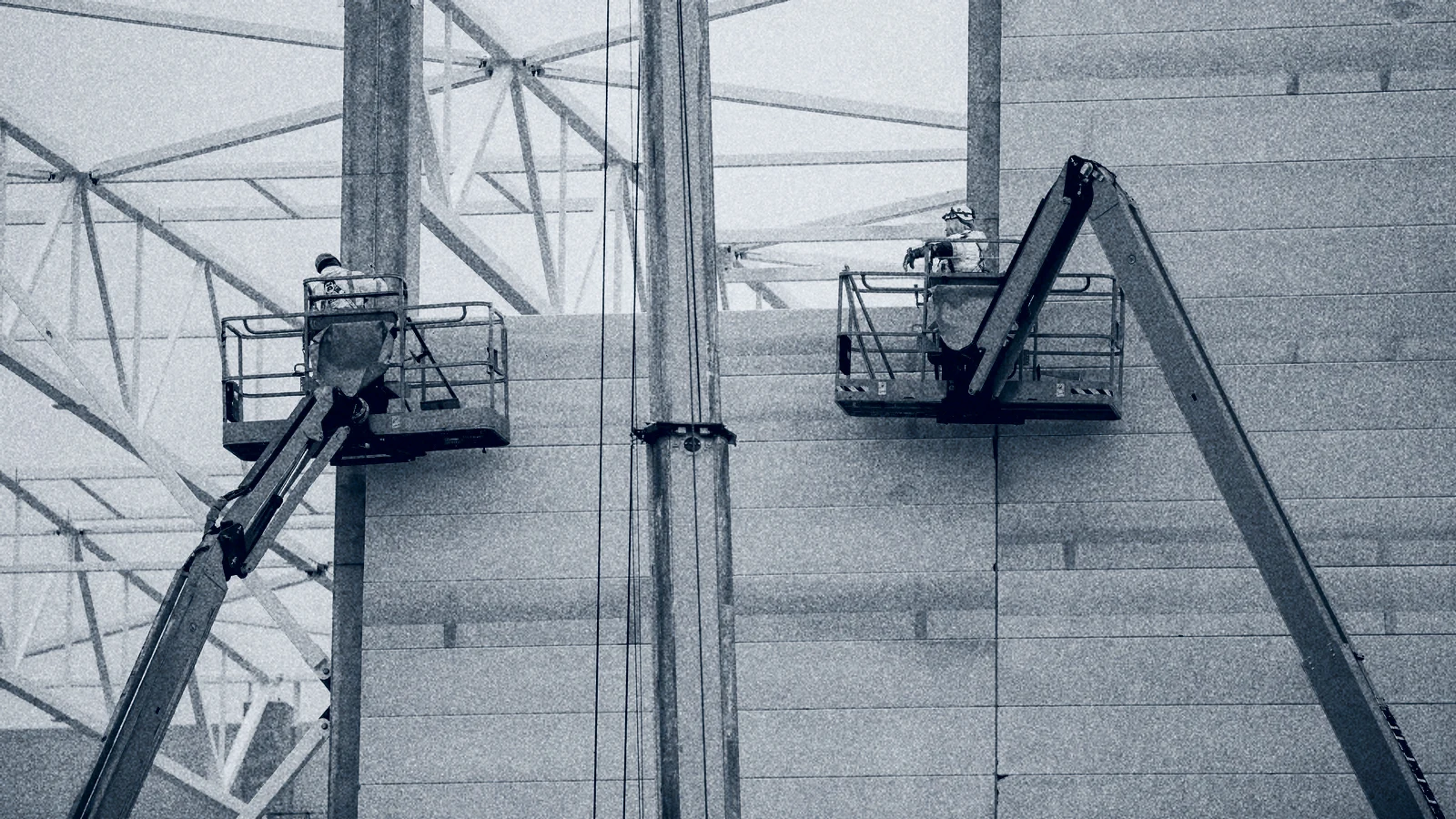
For a rental business the fleet is the business, and most of the time it is somewhere you are not. A standard property policy is written around a building and the things inside it. A rental equipment floater is inland marine coverage written around movable equipment, so it can respond whether a scissor lift is parked in your yard, strapped to a trailer, or standing on a customer’s job site three counties away.
What it is designed to cover
A floater is typically written on a schedule of equipment, on a blanket limit for the whole fleet, or a combination, with a per-item maximum for the most valuable units. It generally responds to direct physical loss or damage from covered causes, such as fire, theft, vandalism, collision or overturn in transit, and weather, subject to the policy’s exclusions and deductibles.
The detail that matters most for rental companies is where the equipment is and who has it. Confirm the policy covers equipment while it is rented to others, while it is in transit on your own vehicles and on common carriers, and while it is at a location you do not control.
The questions worth asking about any floater
- ●Theft by the renter: is equipment covered if a customer rents it and never brings it back? Many forms limit or exclude this, often called conversion or false pretense.
- ●Unexplained disappearance and inventory shortage: most forms exclude a loss that only shows up in a count. Your check-in and check-out records matter.
- ●Valuation: actual cash value or replacement cost, and how newly acquired equipment is picked up between schedule updates.
- ●Equipment rented in from other companies to fill an order, and whether it is covered the same way as your own fleet.
- ●Long-term leases: some forms treat equipment on lease beyond a set number of days differently from short-term rentals.
- ●Wear and tear, mechanical breakdown and gradual deterioration, which floaters typically exclude.
How it fits with the rest of your program
The floater covers damage to your equipment. It does not cover injury or damage the equipment causes to other people, which is general liability, and it does not cover the truck carrying it, which is commercial auto. If you offer customers a damage waiver, the floater is also what ultimately absorbs the losses the waiver does not pass back to the customer, so the two need to be designed together.
Frequently Asked Questions
Related Coverage Options
LDW/Rental Protection Plan
Loss damage waiver and rental protection plans: protect the equipment while it is out, and earn on every rental.
General Liability
Claims when rented equipment injures someone or damages property, and the contracts that come with it.
Commercial Auto
Delivery trucks, trailers and pickups, plus hired and non-owned auto.