

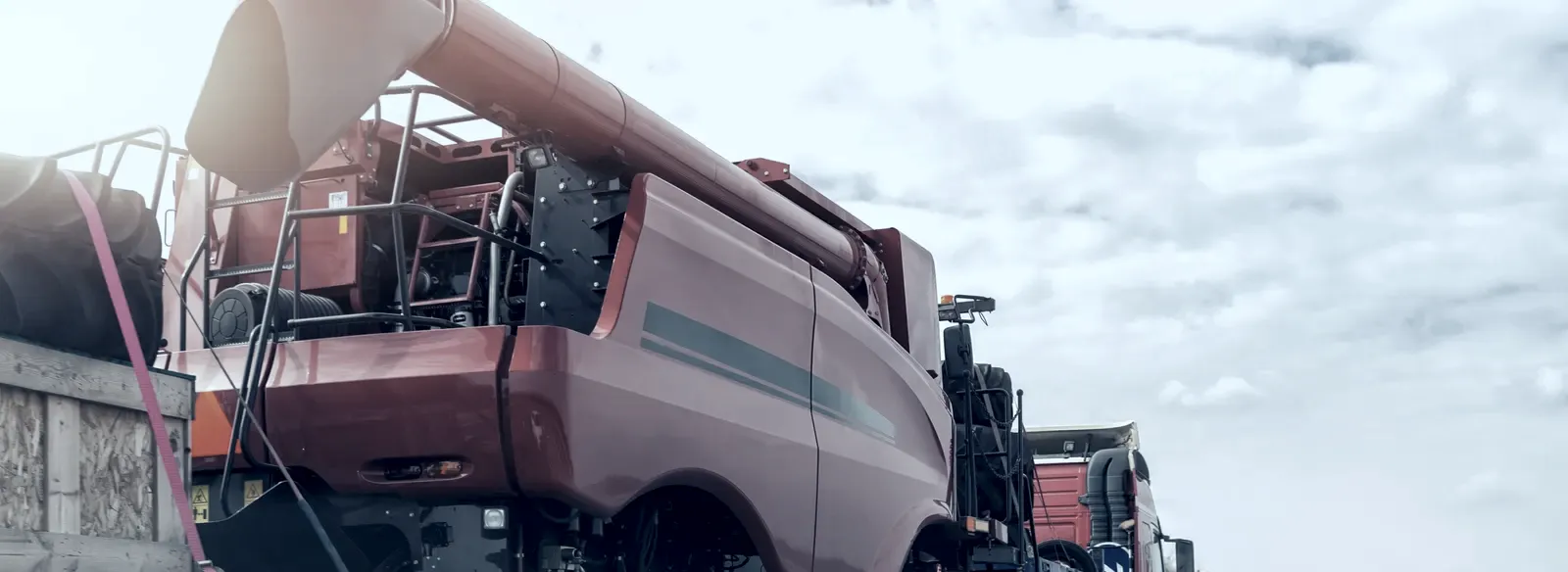
Flatbed
Insurance for Flatbed Transportation
Specialized coverage for open-deck carriers where load securement, weather exposure, and heavy commodities define the risk.
Flatbed Transportation presents insurance challenges that enclosed trailer operations never face. Every load is exposed to the elements, every securement point is a potential liability, and the commodities you haul, from structural steel to heavy machinery, carry values and damage potentials that require coverage built for open-deck reality. Our flatbed programs are designed by professionals who understand that tarping a load in January wind is not the same as closing a trailer door, and your insurance should reflect that difference.
Coverage for Open-Deck Operations
Flatbed cargo coverage must address exposures that are irrelevant for van or reefer operations. Weather damage is the most obvious: rain, snow, ice, and even sun exposure can damage uncovered or improperly tarped freight. Your cargo policy needs to cover weather-related losses without exclusions that effectively eliminate protection for the very risks flatbed cargo faces every day.
Load securement failure is a critical liability exposure unique to open-deck hauling. If cargo shifts, falls from the trailer, or is damaged due to inadequate securement, you face both cargo damage claims from the shipper and potential third-party liability if the cargo strikes another vehicle or person. Your auto liability and cargo coverage need to work together to address both of these exposure vectors.
Equipment coverage for flatbed operations extends beyond the truck and trailer to include the tarps, straps, chains, binders, edge protectors, and other securement equipment that represent a significant capital investment. Inland marine or tools-and-equipment coverage protects this gear against theft, damage, and loss.
Risks Specific to Flatbed Operations
Cargo securement liability is the dominant risk in flatbed Transportation. FMCSA regulations establish specific securement requirements based on commodity type, and failure to meet these standards creates both regulatory citations and civil liability in the event of a load-related accident. The stakes are particularly high when hauling commodities like steel coils, pipe, or heavy machinery, where an unsecured load can cause catastrophic damage or fatalities.
Driver injury rates in flatbed operations are significantly higher than in enclosed trailer hauling. Climbing on loads, manipulating heavy chains and binders, pulling tarps in adverse weather, and working with cranes and forklifts at job sites all create workers' compensation exposures that van and reefer drivers do not face. If you have employees, your workers' compensation classification and premium should reflect the manual handling requirements of flatbed work.
Theft exposure for flatbed cargo is both higher and different from enclosed freight. Valuable commodities like copper, aluminum, and lumber are visible and accessible, making flatbed loads targets for opportunistic theft. Commodity-specific cargo coverage and theft-prevention practices are important components of a flatbed insurance program.
Our Flatbed Expertise
We work with a significant number of flatbed carriers across various commodity specializations, from structural steel haulers to lumber carriers to heavy equipment transporters. This concentration gives us insight into the specific loss patterns, underwriting concerns, and coverage needs that define flatbed insurance. We know which cargo markets handle steel coil correctly, which underwriters understand the difference between conestoga and curtainside operations, and how to present your safety protocols in a way that demonstrates the care your operation takes with open-deck freight.
We also maintain relationships with excess and surplus lines markets that specialize in the heavier commodities and higher values that flatbed carriers routinely handle, including oversized and overweight loads that standard markets decline.
What We Recommend
- ●Motor truck cargo insurance with coverage for weather damage, load shift, and securement failure, without exclusions that gut protection for open-deck freight
- ●Auto liability with adequate limits reflecting the catastrophic potential of loose flatbed cargo on public roadways
- ●Physical damage with coverage for trailer-mounted accessories including headboards, bulkheads, and winch systems
- ●Inland marine coverage for tarps, chains, binders, straps, and other securement equipment carried on the truck
- ●Workers' compensation with proper flatbed driver classifications that account for manual cargo handling exposure