

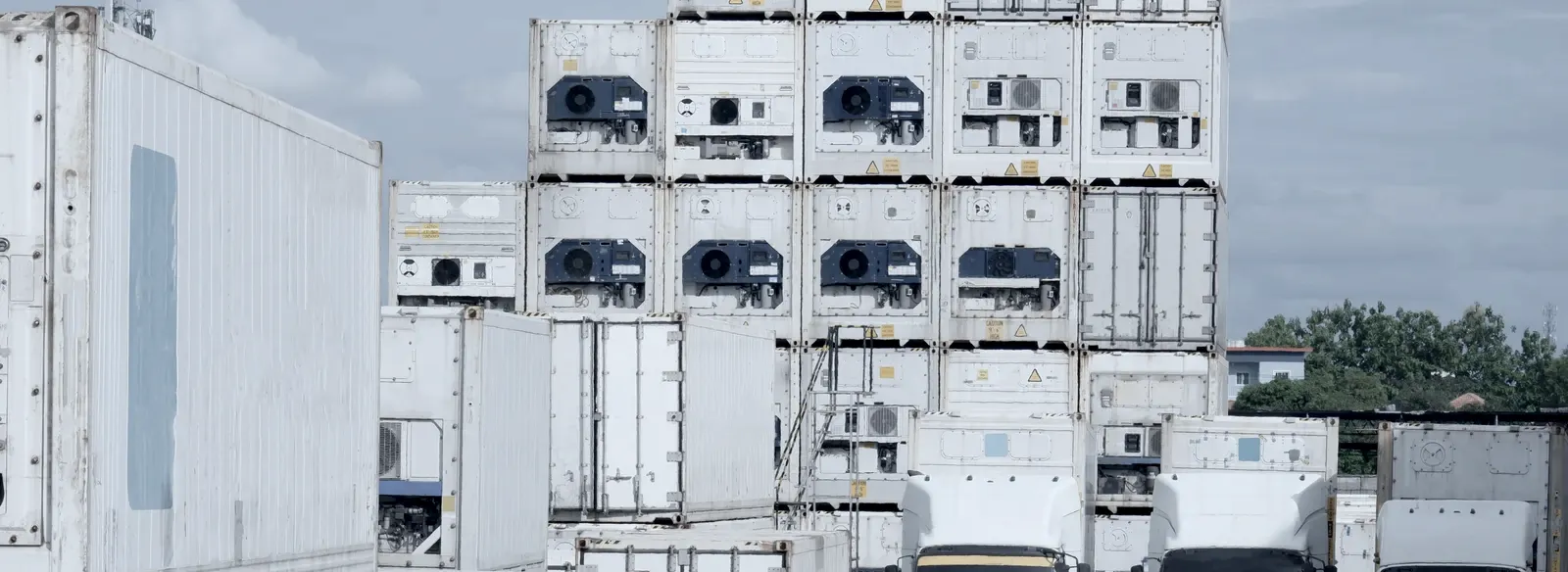
Refrigerated
Insurance for Refrigerated Transportation
Comprehensive coverage for carriers hauling temperature-sensitive freight where a mechanical failure can turn a full load into a total loss.
Refrigerated Transportation is one of the highest-stakes segments in the industry because the cargo is perishable, the equipment is mechanically complex, and the margin for error is essentially zero. A reefer unit failure, a temperature excursion, or a door seal breach can destroy an entire load of product worth far more per pound than conventional dry freight. Our refrigerated Transportation programs address the specific exposures of temperature-controlled hauling, from reefer breakdown coverage to spoilage liability, with the depth of understanding that comes from insuring carriers who move the nation's food supply.
Coverage for Temperature-Controlled Operations
Standard motor truck cargo policies were not designed for refrigerated freight, and applying them to reefer operations creates dangerous gaps. Perishable cargo requires coverage that addresses the unique ways in which temperature-sensitive goods can be damaged or destroyed, including gradual spoilage from a slowly failing reefer unit, contamination from improper temperature settings, and total loss events where an entire load must be condemned due to a temperature excursion.
Our refrigerated cargo coverage includes reefer breakdown as a covered peril, which many standard cargo policies explicitly exclude. We also address the consequential costs of a spoilage event, including load rejection, disposal fees, and the shipper's lost product value, which often exceeds the carrier's standard cargo liability limit.
Physical damage coverage for refrigerated trailers must account for the reefer unit itself, which represents a substantial portion of the trailer's total value. A replacement Thermo King or Carrier reefer unit can cost $30,000 to $50,000, and your policy needs to include this equipment at its actual replacement value rather than treating the trailer as a standard dry van.
Risks Specific to Refrigerated Hauling
Reefer unit mechanical failure is the defining risk of temperature-controlled transportation. Even with diligent preventive maintenance, compressors fail, fuel lines clog, and control systems malfunction. When a reefer unit goes down mid-transit, the clock starts immediately. Depending on the commodity, ambient temperature, and insulation quality of the trailer, you may have hours or even minutes before the load crosses from salvageable to condemned. Insurance cannot prevent mechanical failures, but it can ensure you are not financially responsible for a six-figure cargo loss on top of the repair bill.
Temperature documentation disputes are increasingly common as shippers deploy their own monitoring devices alongside the carrier's reefer unit readout. Discrepancies between the shipper's data logger and the reefer's temperature record can create claims where the carrier must prove the load was maintained at the correct temperature throughout transit. Continuous temperature monitoring with downloadable data is both a risk management tool and a claims defense asset.
Food safety regulatory exposure adds another dimension to refrigerated hauling risk. FSMA (Food Safety Modernization Act) requirements for sanitary transportation impose specific obligations on carriers, including trailer cleanliness standards, temperature monitoring, and written procedures. Non-compliance can result in FDA enforcement action and creates additional liability if contaminated product reaches consumers.
Our Approach to Reefer Insurance
We insure a significant volume of refrigerated freight haulers and have developed expertise in the specific loss patterns, claim types, and underwriting factors that drive this segment. Our team understands the difference between a continuous-run and a cycle-sentry reefer operation, we know why pre-cool procedures matter to underwriters, and we can explain to a claims adjuster why a load of fresh strawberries and a load of frozen chicken have completely different spoilage dynamics.
This depth of knowledge means we place refrigerated accounts with underwriters who specialize in this class of business and can evaluate reefer operations on their merits rather than applying generic Transportation rating factors that do not fit.
What We Recommend
- ●Motor truck cargo insurance with reefer breakdown explicitly included as a covered peril and limits adequate for the highest-value perishable loads you haul
- ●Physical damage coverage with reefer unit values separately scheduled to ensure full replacement cost coverage on your refrigeration equipment
- ●Equipment breakdown or mechanical breakdown coverage for the reefer unit independent of the trailer physical damage policy
- ●Spoilage or contamination liability coverage addressing the full consequential cost of a temperature excursion, including disposal and shipper losses
- ●Pollution liability coverage for refrigerant leaks and fuel spills from reefer units, particularly in states with strict environmental regulations