

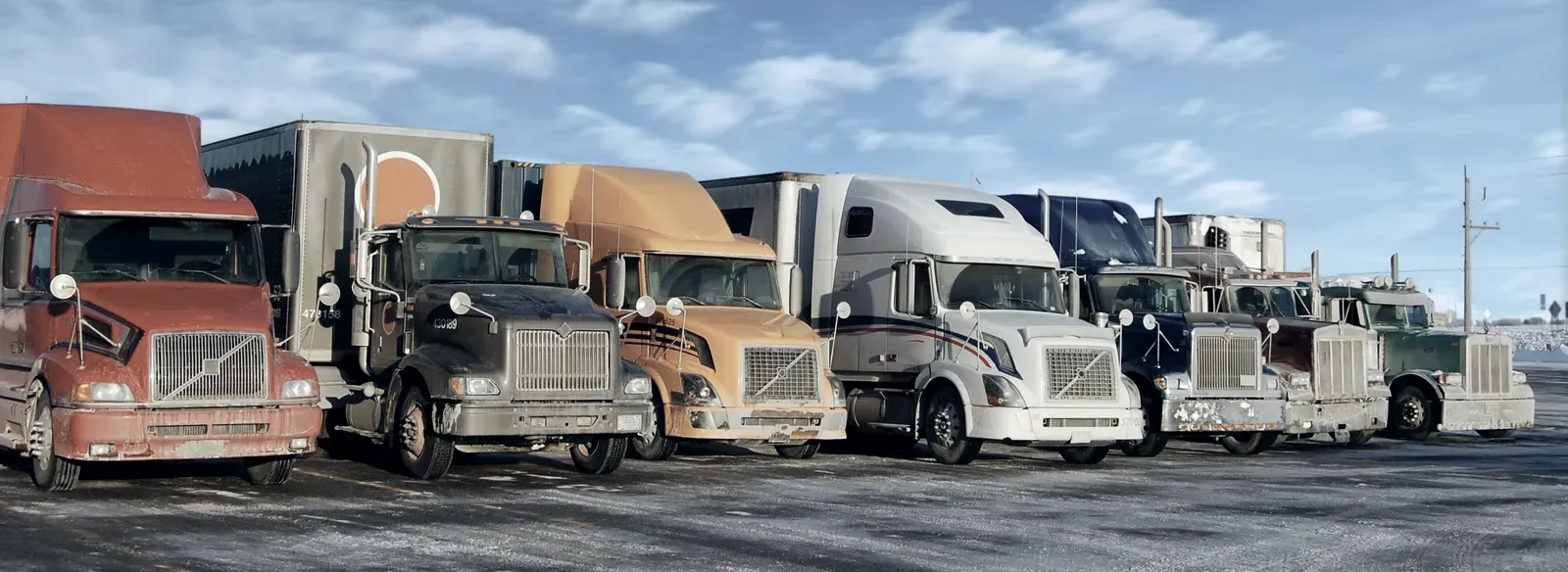
Small Fleets (2-15 Units)
Insurance for Small Transportation Fleets
Purpose-built coverage for fleets of 2 to 15 units that need enterprise-level protection without enterprise-level complexity.
Small fleet operators occupy the most challenging insurance segment in Transportation. You are too large to qualify for owner-operator programs but too small to command the volume discounts and dedicated underwriting that large carriers enjoy. Our small fleet programs bridge that gap with coverage structures, pricing, and risk management resources scaled to operations running 2 to 15 power units.
Coverage for Growing Operations
A small fleet is a fundamentally different business than a single-truck operation. The moment you put a second driver in a truck you do not personally control, your liability exposure multiplies in ways that go far beyond just adding another vehicle to a policy. You are now responsible for hiring decisions, driver supervision, vehicle maintenance oversight, and compliance management, all of which directly affect your insurance costs and claims outcomes.
Our small fleet programs address these realities with coverage designed for multi-unit operations. Fleet auto liability policies cover all scheduled vehicles under a single policy with consistent limits, eliminating the coverage gaps that occur when individual trucks carry separate policies with different carriers. We also structure hired and non-owned auto coverage for situations where you use independent contractors or rent additional equipment to handle overflow freight.
As your fleet grows, we adjust coverage in real time. Adding a truck does not require a new policy; it requires a certificate update and a premium adjustment on your existing program. That kind of operational simplicity matters when you are focused on running loads, not managing paperwork.
Common Risks for Small Fleets
Driver quality is the single largest variable in a small fleet's risk profile. Unlike large carriers that can absorb the cost of one problematic driver across hundreds of units, a small fleet operator with a driver who causes a serious accident can see insurance costs spike to unsustainable levels at the next renewal. We help small fleets implement driver selection and monitoring practices that reduce this exposure before it shows up in your loss history.
Maintenance risk is another area where small fleets are particularly vulnerable. Without a dedicated maintenance department, deferred repairs can lead to roadside breakdowns, DOT violations, and, in serious cases, mechanical-failure accidents. Insurers scrutinize maintenance records closely for fleets in this size range, and documented preventive maintenance programs can meaningfully reduce your premiums.
Cash flow volatility also creates insurance challenges for small fleets. Premium financing, flexible payment structures, and pay-as-you-go options can keep coverage in force during lean months when freight rates dip. We build payment plans that align with the revenue cycles of Transportation, not the billing preferences of insurance companies.
Our Approach to Small Fleet Insurance
We treat small fleet accounts as relationship business, not transactional commodity placements. Your account is assigned to a team that understands multi-unit operations and can respond when you need a certificate at midnight, when you need to add a truck on a weekend, or when a driver has an accident on a holiday.
Our underwriting partnerships include carriers that specialize in the 2-to-15-unit segment and actually want to write this class of business. That matters because many standard markets either decline small fleets outright or price them as if they are single-truck operations with all the overhead of a large fleet. We place your business with underwriters who understand the economics of your operation and price accordingly.
What We Recommend
- ●Fleet auto liability with a single combined limit across all units, providing consistent coverage regardless of which truck is involved in a loss
- ●General liability to cover premises, completed operations, and contractual exposure beyond the truck itself
- ●Hired and non-owned auto coverage if you ever use independent contractors, rental equipment, or personal vehicles for business purposes
- ●Workers' compensation structured for interstate operations, with proper classifications for drivers versus shop and office staff
- ●Umbrella or excess liability to satisfy shipper and broker contract requirements that frequently demand $2M to $5M in total limits
Frequently Asked Questions
Recommended Coverage
Primary Auto Liability
Liability protection for at-fault accidents
General Liability
Third-party claims outside vehicle operation
Physical Damage
Covers repair or replacement of your vehicles
Workers' Compensation
Employee injury wage and medical benefits
Umbrella / Excess
Additional liability protection layer