

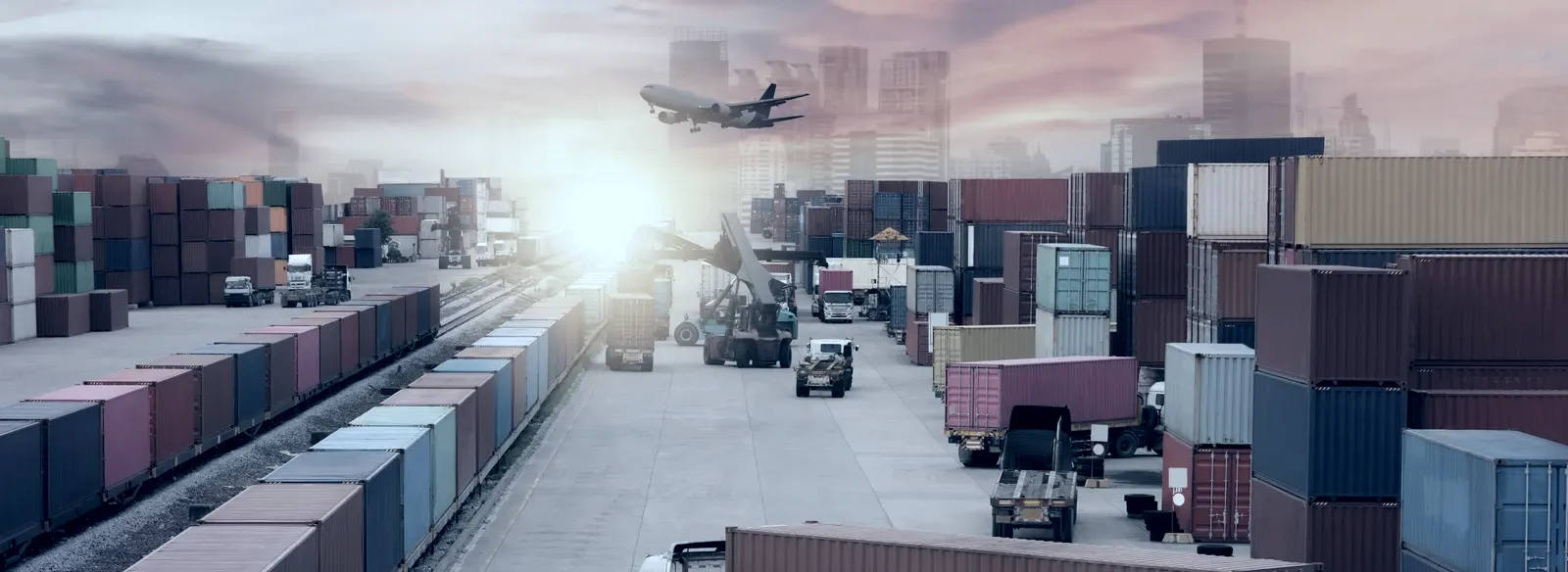
Intermodal
Insurance for Intermodal Operations
Specialized coverage for drayage carriers, intermodal marketing companies, and container transport operations.
Intermodal Transportation operates at the intersection of ocean, rail, and highway freight, creating insurance complexities that do not exist in conventional over-the-road hauling. Port and rail terminal environments, chassis interchange agreements, container condition disputes, and multi-party liability chains all require coverage structures specifically designed for the intermodal ecosystem. Our programs are built for carriers who understand that the mile between the port gate and the chassis yard can be the most complex mile in all of Transportation.
Coverage for Intermodal Operations
Intermodal drayage involves risks that standard Transportation policies were never designed to address. Operating within port complexes and rail terminals subjects your drivers and equipment to facility-specific rules, congestion hazards, and heavy equipment interactions that do not exist on public roadways. Your auto liability and physical damage coverage must apply within these controlled environments, and not all standard policies do.
Chassis-related coverage is a defining issue for intermodal carriers. Whether you own your chassis, use pool equipment through UIIA agreements, or interchange chassis with steamship lines, the liability for damage to chassis while in your possession creates an exposure that requires specific policy language. Chassis interchange or trailer interchange coverage protects you from claims for damage to equipment you do not own but are responsible for during the drayage move.
Cargo coverage in intermodal operations must address the multi-modal nature of the freight. Containerized goods may pass through ocean carrier, rail, and drayage custody, and determining when your coverage attaches and detaches requires careful policy drafting. We ensure your motor truck cargo insurance has clear triggering language so there is no ambiguity about which carrier is responsible at each stage of the move.
Risks Unique to Intermodal Carriers
Port and terminal congestion creates a concentrated accident environment. Trucks operating in tight quarters with other drayage vehicles, container handling equipment, railcars, and pedestrian dock workers face elevated collision and injury risk. Wait times at congested ports also contribute to driver fatigue and schedule pressure that can increase accident frequency on the subsequent highway portion of the move.
Container condition disputes are a persistent issue for drayage operators. When a shipper or receiver discovers damage to containerized freight, the drayage carrier is often the first party blamed, even when the damage occurred during the ocean voyage or rail segment. Photographic documentation of container condition at pickup and delivery is critical, and your insurance should include defense coverage for these third-party claims.
Environmental liability at port facilities presents an exposure that many drayage operators overlook. Fuel spills, leaking containers, and hazardous material releases within port complexes can trigger cleanup obligations and third-party claims under environmental regulations that impose strict liability. If you operate in or near port environments, environmental coverage should be part of your program.
Our Intermodal Expertise
Our team includes professionals with direct experience in intermodal operations, including familiarity with UIIA agreements, port authority insurance requirements, and the unique contractual structures of intermodal marketing companies. We understand the difference between a street turn and a rail mount, we know what an equipment interchange receipt means for your liability, and we recognize the operational distinctions between a port drayage carrier and an over-the-road intermodal truck.
This operational knowledge allows us to design coverage that addresses real intermodal exposures rather than generic Transportation risks. It also enables us to present your account to underwriters in terms they can evaluate accurately, resulting in better coverage terms and more competitive pricing.
What We Recommend
- ●Commercial auto liability with coverage that specifically applies within port complexes, rail terminals, and intermodal yards
- ●Trailer or chassis interchange insurance to cover damage to non-owned chassis while in your possession under interchange agreements
- ●Motor truck cargo insurance with clear attachment and detachment language for containerized intermodal freight
- ●Environmental liability coverage appropriate for port and terminal operations where spill exposure exists
- ●General liability with contractual liability coverage to meet the indemnification requirements of port authorities and intermodal marketing companies