

Coverage
General Liability Insurance
Covers injury and property damage claims arising from your business premises, operations, and completed work.
General liability insurance, also called commercial general liability or CGL, protects your Transportation business against claims that fall outside your auto liability policy. It covers bodily injury and property damage occurring at your terminal, yard, or office, as well as claims arising from your completed operations after freight is delivered. General liability is a core component of a well-rounded commercial insurance program and is frequently required by landlords, customers, and contractual partners.
What It Covers
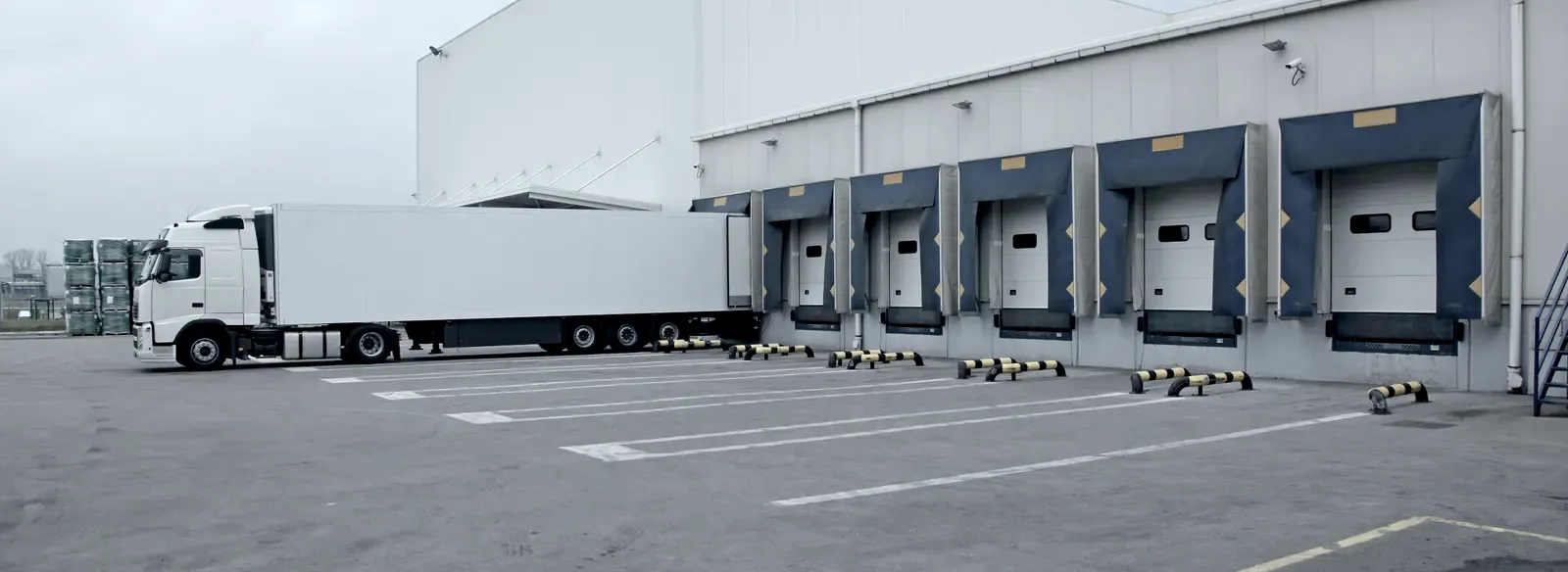
General liability covers three main categories of risk. Premises liability responds when someone is injured on property you own, lease, or control, such as a visitor who slips on ice in your truck yard or a vendor who is struck by a forklift at your terminal. Operations liability covers injuries and damage arising from your business activities that are not vehicle-related, including loading dock operations and warehouse work.
Completed operations coverage, the second major component, protects you after a job is finished. If freight you delivered was improperly secured and falls off a shelf at the consignee's warehouse injuring a worker, completed operations coverage responds. This is particularly important for carriers that provide ancillary services like lumper work, installation, or white glove delivery.
The third component, personal and advertising injury, covers claims of libel, slander, copyright infringement, and false advertising. While less common in Transportation, these exposures exist for any company that markets its services publicly.
Who Needs It
Every Transportation company with a physical location, employees, or customer-facing operations needs general liability coverage. If you own or lease a terminal, yard, maintenance shop, or office space, your landlord will almost certainly require it. Shippers and third-party logistics providers frequently include general liability requirements in their carrier agreements.
Even owner-operators who work from home benefit from general liability coverage. A mechanic visiting your home shop, a driver picking up paperwork, or a business meeting at your residence could all generate a premises liability claim. General liability fills the gap between what your auto policy covers and the full scope of your business exposure.
Why It Matters
Auto liability policies are specifically limited to claims arising from the operation of covered vehicles. Any claim that occurs off the road or after delivery is excluded from your auto policy entirely. Without general liability, your business is unprotected against a significant category of risk that includes some of the most common small business claims, such as slip-and-fall injuries and property damage at your facilities.
General liability also provides contractual liability coverage, which is essential when you sign contracts that require you to indemnify and hold harmless other parties. Without this coverage, those contractual obligations are backed only by your business assets, putting everything you have built at risk.
Key Coverage Features
- ●Premises liability for injuries at your yard, terminal, or office
- ●Operations liability for non-vehicle-related business activities
- ●Completed operations coverage for claims after freight delivery
- ●Personal and advertising injury coverage for libel, slander, and related claims
- ●Contractual liability for hold-harmless and indemnification agreements
- ●Medical payments coverage for minor injuries regardless of fault
- ●Products liability for goods you manufacture, sell, or distribute